ARCHIVE VOL. 04 / COMPENDIUM 59°19'46" N — 18°04'07" E PUBLISHED ED. 2026

The Nordic Design Atlas.

If you have ever run your fingers along the smooth, beveled underside of a solid birch dining table or sat in a room where low winter sun turns simple timber boards into pure warmth, you already understand Scandinavian design. It isn't a showroom trick or a catalogue recipe. It's a pragmatic, thoughtful response to cold weather, short daylight hours, and an enduring respect for natural raw matter.

We started this independent archive to cut through the marketing noise. Across five interconnected volumes, we look at everyday functional furniture, timber-led public architecture, quiet interior principles, small studio workshops, and the tactile materials that hold the entire tradition together.

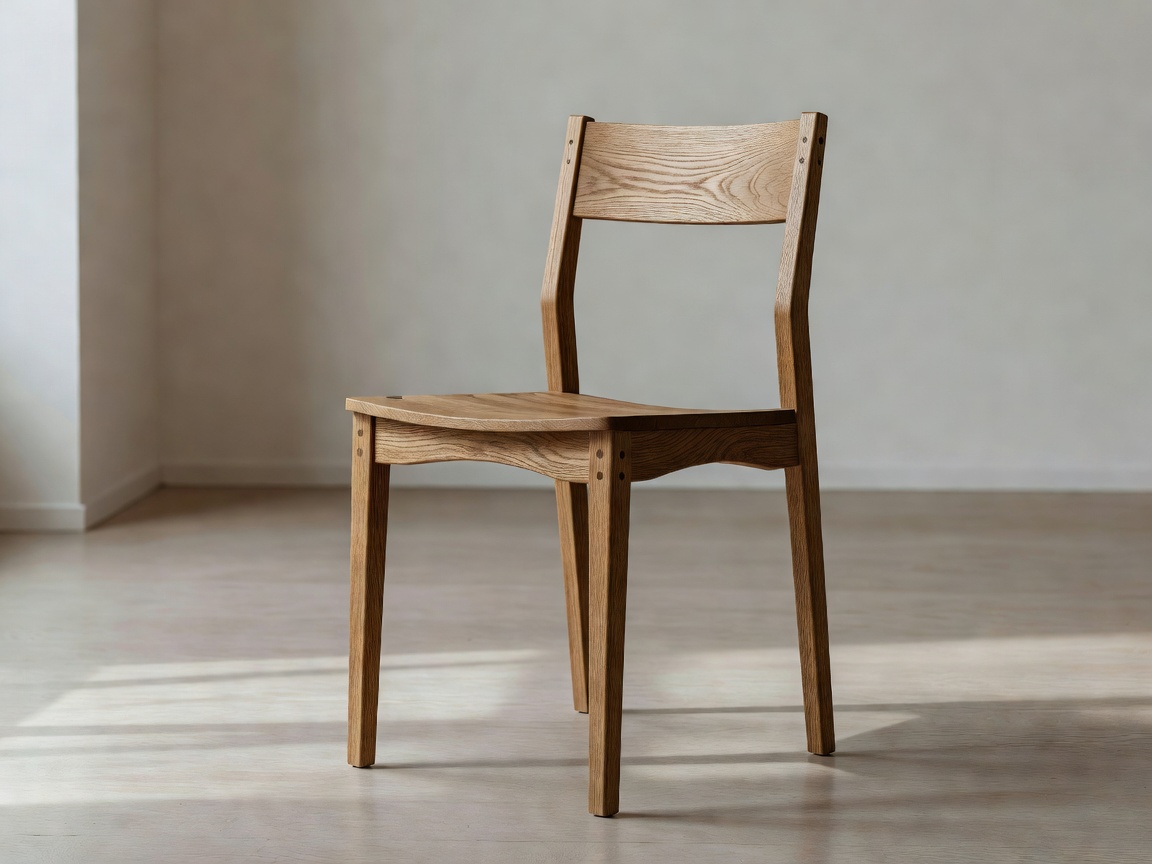
Minimalist wooden dining chair crafted with visible joinery and honest oak grain in gentle daylight
FIG. 001 // WOODCRAFT REGISTER

Form following winter light: turned pale ash structural frame, mortise-and-tenon construction, uncoated surface patina.

01

Democracy in the Object

The Nordic design ethos grew out of a deliberate social idea: beauty, durability, and practical function shouldn't be luxury goods reserved for grand townhouses. In the mid-twentieth century, designers across Denmark, Finland, Sweden, and Norway set out to make daily objects—spoons, tea cups, storage credenzas, stackable birch chairs—that ordinary families could afford, live with, and hand down to their children.

Honoring the Raw Grain

When a pine table gets scratched in an authentic Scandinavian home, nobody panics. Timber, untreated wool, vegetable-tanned leather, and unlacquered brass are meant to record the passage of time. Scandinavian makers generally avoid thick varnishes and artificial veneers that pretend to be something they aren't. If something is crafted from pale pine or cold limestone, its weight and grain stay front and center.

The Scarcity of Light

You cannot understand Nordic buildings or rooms without understanding the winter sun. When your native latitude gives you barely six hours of indirect twilight in December, light becomes your most precious architectural building block. Rooms are oriented to capture every oblique ray, wall surfaces are kept pale and matte to bounce soft daylight, and artificial lighting is layered through warm, sheltered pools rather than cold overhead glare.

02
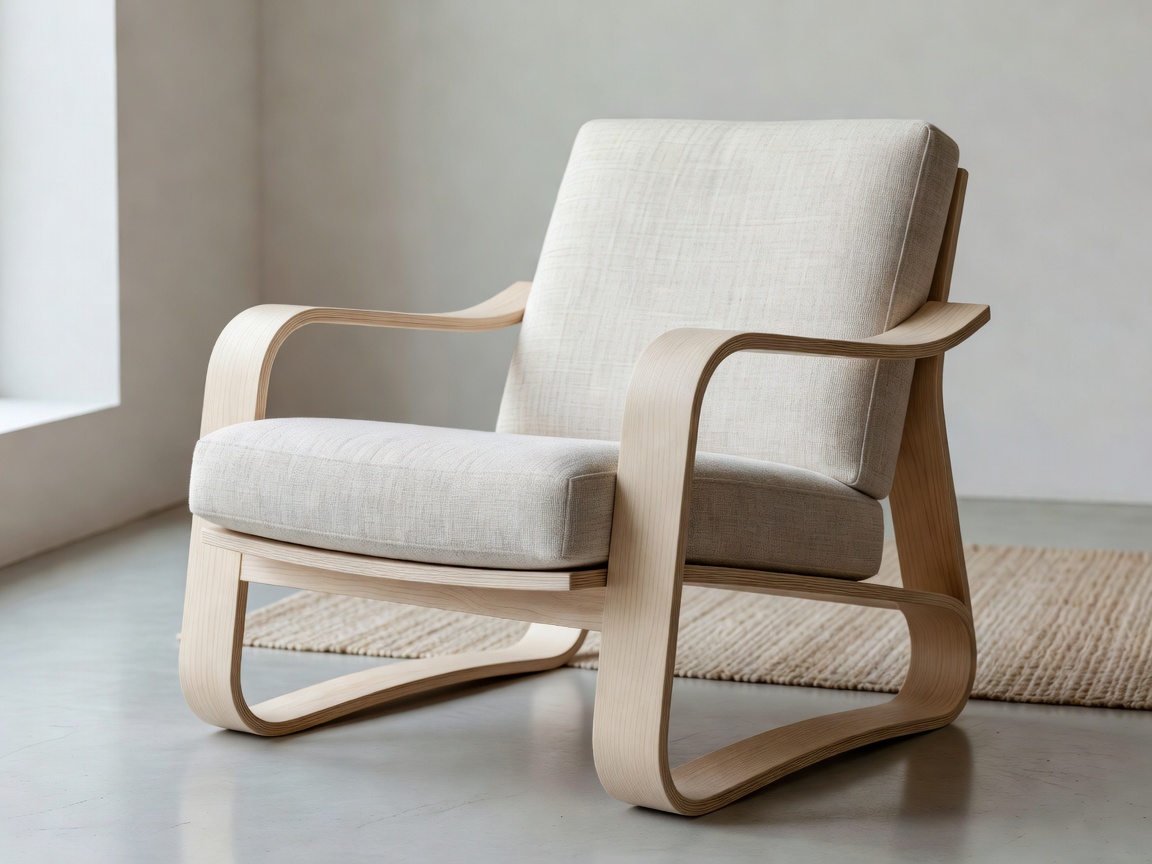
Sculptural Scandinavian armchair made of bent pale plywood and natural woven linen upholstery
REF-FURN-01

Scandinavian Furniture

How modest materials like laminated beech, paper cord, and oiled oak were turned into enduring global icons. We break down the difference between workshop handcrafted prototypes and modular production, and show you exactly what to look for in joinery and posture-friendly curves.

PRIMARY MEDIAOak, Ash, Wool, Paper Cord
DISCIPLINESeating, Tables & Cabinetry
FOCUSErgonomics & Proportion
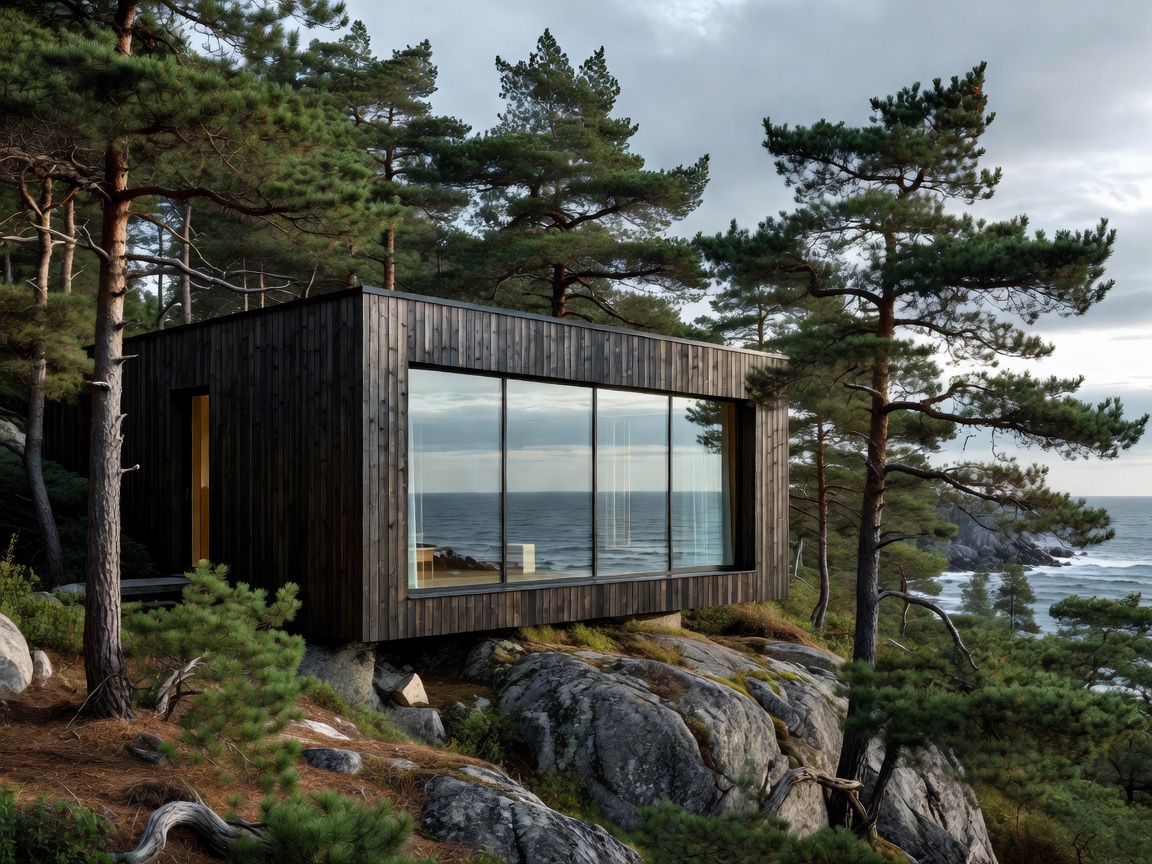
Contemporary Nordic timber residence tucked into a rocky pine forest with broad low-e windows facing the coastline
REF-ARCH-02

Nordic Architecture

From quiet sod-roofed coastal shelters to timber community libraries with sweeping acoustic ceilings. Explore how cold microclimates, thermal envelope science, and careful orientation to seasonal sun angles shape houses that sit gently on bedrock and moss.

TYPOLOGYTimber Framing & Public Civics
ENVELOPECharred Spruce, Stone & Triple Glazing
PRINCIPLELandscape Continuity
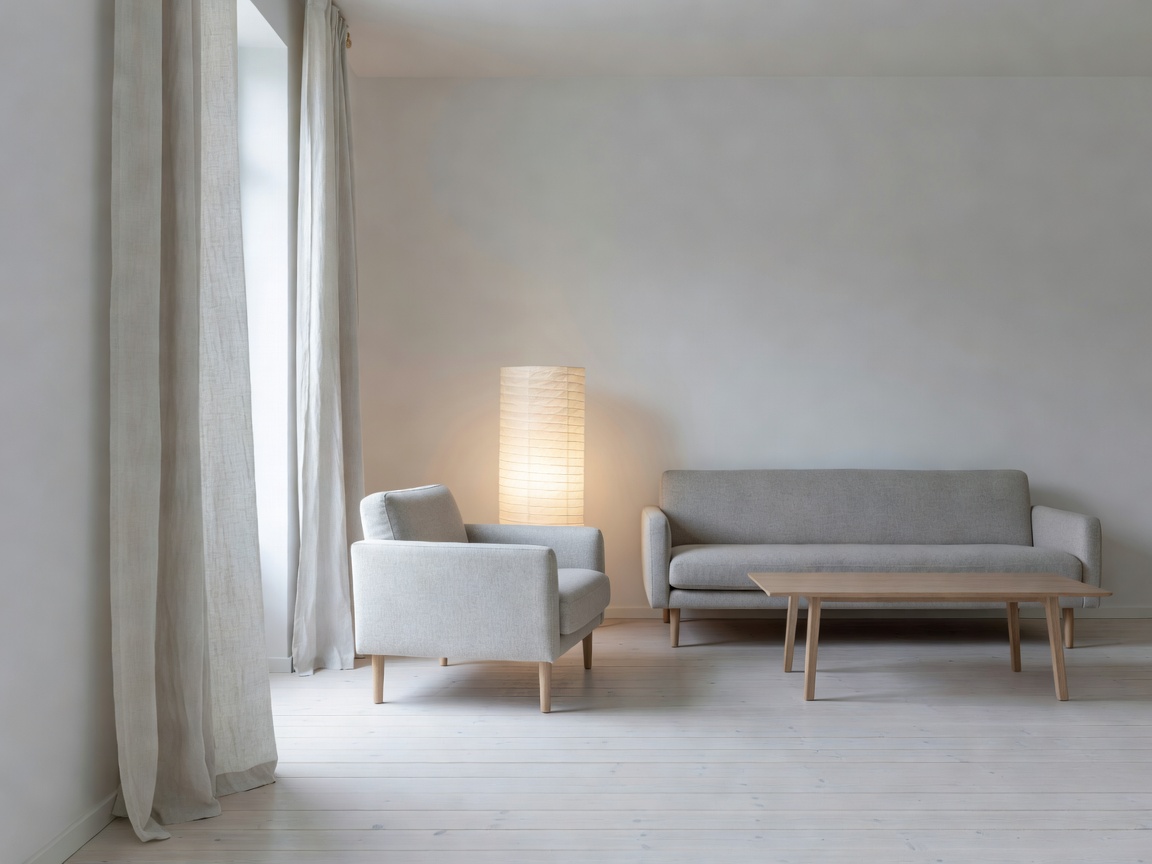
Quiet Scandinavian interior living space with pale whitewashed floorboards, tactile linen drapes, and paper lamp
REF-INT-03

Scandinavian Interiors

Real Nordic living isn't about sterile white cubes with two books on a steel shelf. It is warm minimalism: tactile woven throws, soft point lighting at knee level, built-in birch plywood cabinetry, and unhurried spaces that make living in small apartments feel spacious and grounding.

PALETTELimestone, Pine Shadow, Sage Dust
LIGHTINGMulti-Point 2700K Low Glare
APPROACHWarm Functional Minimalism
Ceramics and woodwork studio bench with hand-thrown stoneware pots and carving tools
REF-DES-04

Local Designers & Ateliers

Beyond the storied mid-century masters lies a vibrant, quiet network of independent studios, ceramicists, textile weavers, and glass blowers. Discover how modern craftspeople in urban hubs and rural fjords are reinventing regional materials with contemporary silhouettes.

COMMUNITYCeramics, Textiles & Custom Wood
SCALEIndependent Ateliers & Cooperatives
METHODOLOGYSmall Batch & Heritage Techniques
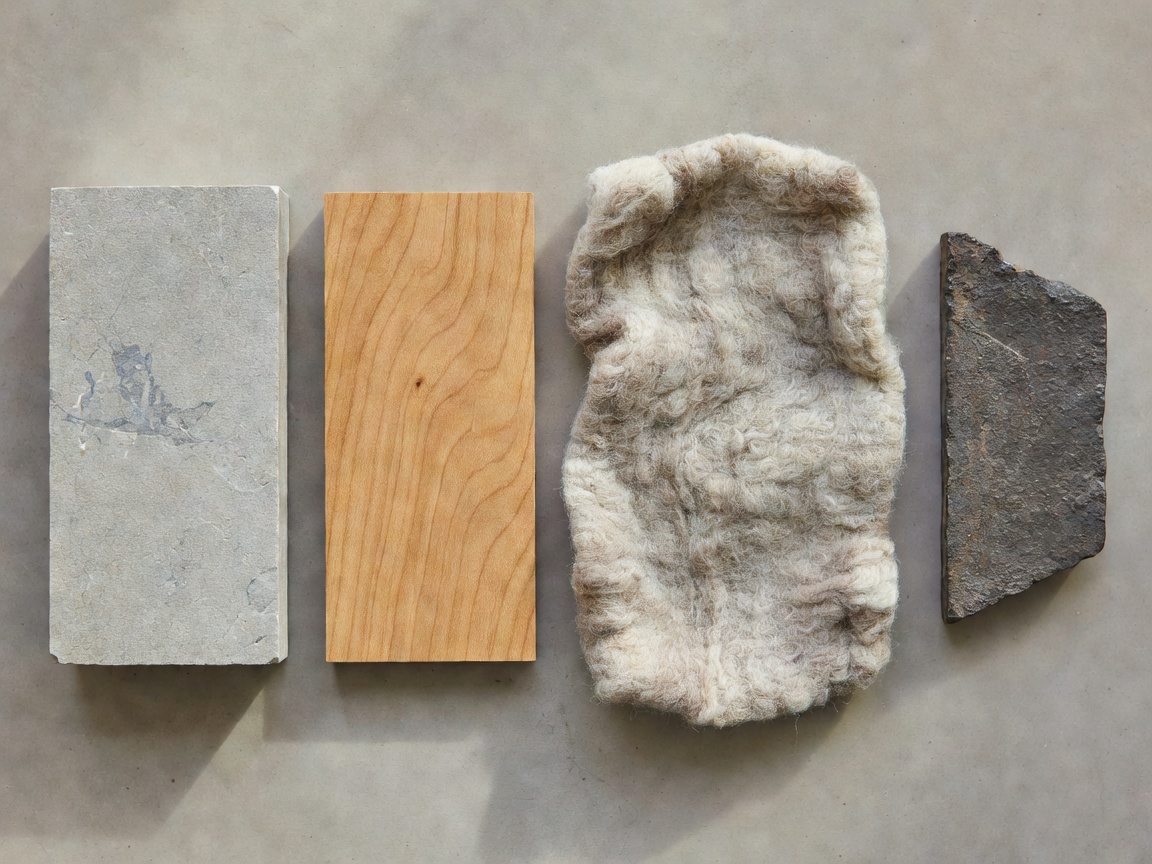
Material palette arrangement featuring raw soapstone, oiled birch veneer sample, spun wool, and sand-cast iron
REF-MAT-05

Nordic Materials

A thorough study of eleven native and natural substances that define Nordic physical culture: ash, birch, pine, oak, sheep wool, unbleached linen, veg-tanned leather, granite, stoneware, mouth-blown glass, and blackened steel. Learn how they age and how to care for them.

LEDGER COUNT11 Core Nordic Substances
METRICTactility, Aging & Natural Oil Finishes
CRITERIALocal Sourcing & Honest Patina
03
01. JOINERY OVER FASTENERS

The Concealed Dowel & Tenon

Check the connection points where chair legs meet the seat frame. Nordic cabinetmakers traditionally treat mechanical screws as a last resort, relying instead on interlocking end-grain joints that allow the timber to breathe as seasons humidify and dry out.

02. TACTILE NEUTRALITY

No High-Gloss Distractions

Notice the sheen of the surface. True Scandinavian furniture uses matte soap finishes, white-pigmented hardwax oils, or scrubbed wax that leave timber pores open to the touch. You should feel the wood fibers under your fingertips, not a plastic barrier.

03. ADAPTABLE WEIGHT

Light Enough to Reposition

Because natural lighting moves dramatically between breakfast and late afternoon, chairs and side tables were designed to be moved easily to where the sun hits the rug. Visual lightness translates to literal physical balance.

04. ACOUSTIC DAMPING

Textiles as Architecture

Minimalist rooms with wide timber floorboards can echo without careful acoustic buffering. Nordic interiors use woven wool rugs, linen curtains hung from ceiling tracks, and upholstered seating not just for warmth, but to soften interior room sound.