The Ergonomics of Daily Life
When mid-century Nordic designers began analyzing domestic seating, they didn't consult abstract sculpture; they measured real human torsos, pelvic tilt angles, and arm resting heights. Kaare Klint, often regarded as the father of modern Danish furniture design, instituted systematic measurements of standard everyday objects—plates, folded shirts, book spines, human postures—to dictate the internal dimensions of sideboards and chairs.
The result was furniture that looked deceptively plain but felt immediately comfortable. A proper Scandinavian chair supports the lower lumbar without demanding three layers of petrochemical foam. The backrest is curved to track the shoulder blades, and the armrests are placed just low enough so your shoulders don't hike upward when you rest your forearms during an evening meal.
Mass Production Versus Studio Craft
There is a common misunderstanding that all Scandinavian furniture is made entirely by hand in a rustic forest shed. The truth is much more pragmatic and interesting. The golden era of Scandinavian design flourished precisely because cabinetmakers and industrial manufacturers learned to cooperate.
Pioneering designers recognized that steam-bending solid beech or pressing multiple plies of birch veneer in heated hydraulic molds allowed them to produce chairs that were lighter, stronger, and more affordable than traditional carved timber. Machine precision was used for the rigorous dimensioning and rough curves, while human handcraft stepped in for the final scraping, spoke-shaving, sanding, and hand-corded seating.
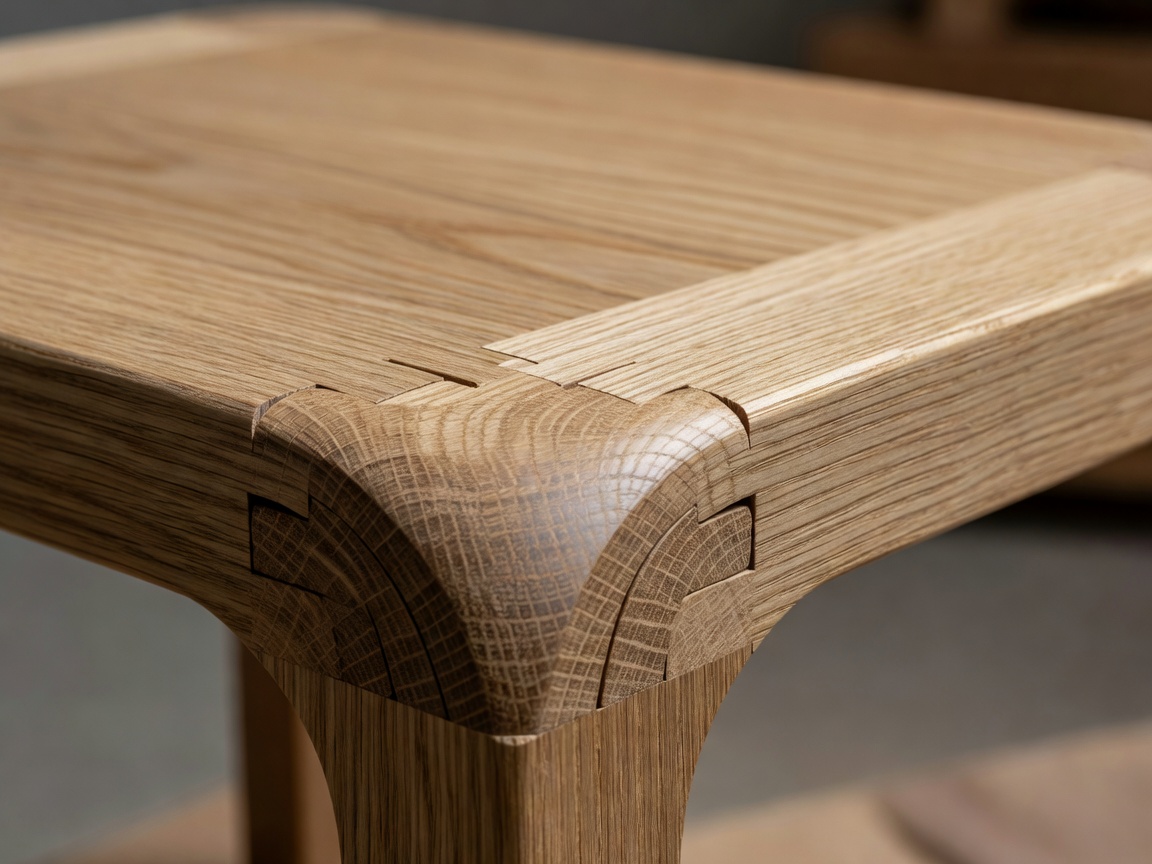
Today, that dialogue between machine tooling and hand finishing continues. High-precision 5-axis CNC routers now cut the complex compound curves of contemporary Scandinavian chairs, but an experienced maker still tests every joint by hand, checks the grain continuity, and rubs the natural oil into the wood pores.
Vintage Preservation Versus Contemporary Editions
When browsing vintage markets in Copenhagen, Gothenburg, or Oslo, you will encounter mid-century pieces bearing deep amber patina. Untreated pine darkens with age to a rich honeycomb tone; white oak turns golden; and untreated vegetable-tanned saddle leather shifts from pale biscuit to deep caramel. This is not wear and tear—it is living provenance.
Contemporary Nordic furniture editions often introduce lighter soap or pigment-oil finishes to maintain the pale, freshly sawn look of European ash or beech. When choosing between vintage and contemporary pieces, consider the space: vintage timber brings deep historical weight and conversational richness, while modern production offers tighter environmental sourcing certifications and refined recycled textile options.
The Mathematics of Paper Cord
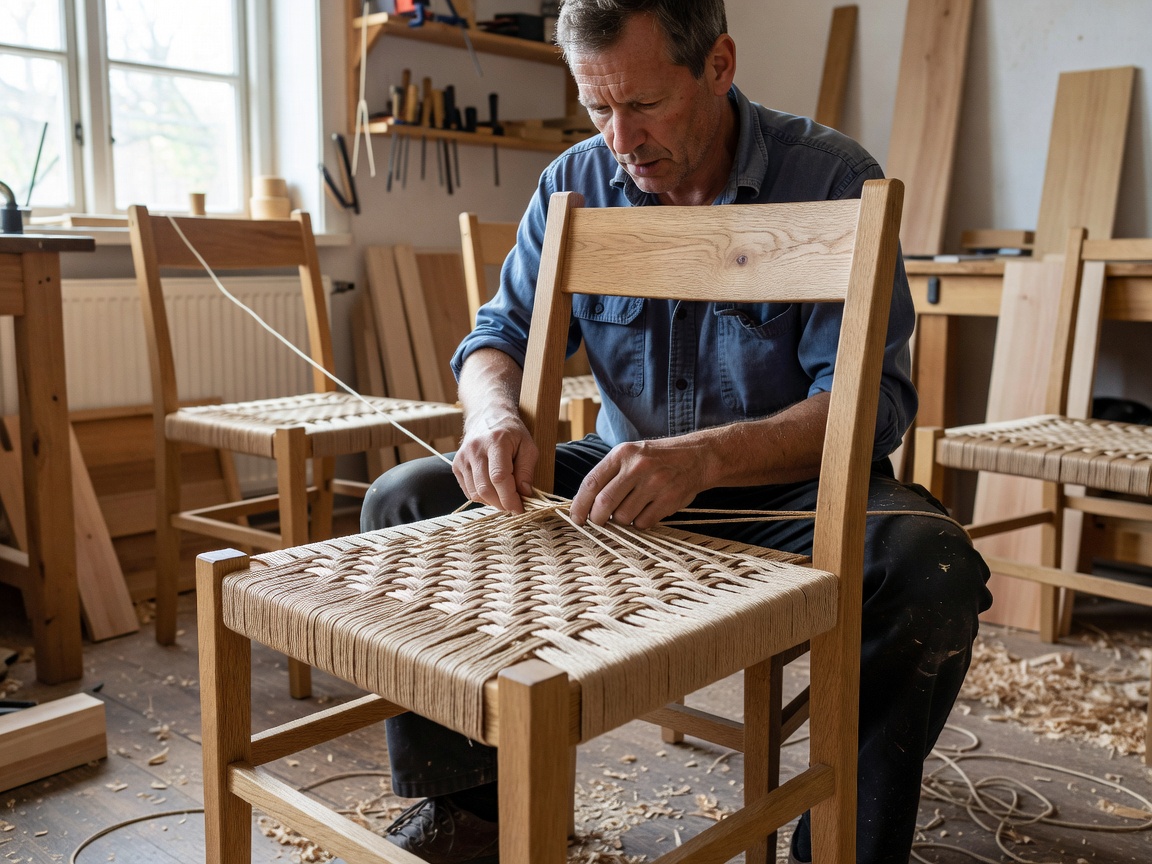
A standard woven dining chair seat requires approximately 120 to 140 meters of continuous paper cord. Originally adopted during the material shortages of World War II, paper cord proved so durable, flexible, and cool to the skin that it remains a defining hallmark of Nordic seat-making.